You don't need a data team to automate like you have one
Small teams lose to bigger ones on headcount, not smarts. The right automation lets a five-person shop run like it has a back office — without hiring one.
Playbooks and product notes for businesses running on automation.

Small teams lose to bigger ones on headcount, not smarts. The right automation lets a five-person shop run like it has a back office — without hiring one.

Strip the hype: AI infrastructure is data in, model in the middle, action out — with reliability around it. A plain-English tour of what 'AI infrastructure' actually means.

Automation fails at the worst moment and leaves you alone with a cryptic error. Active, human technical support is the part of 'AI infrastructure' nobody markets but everyone needs.

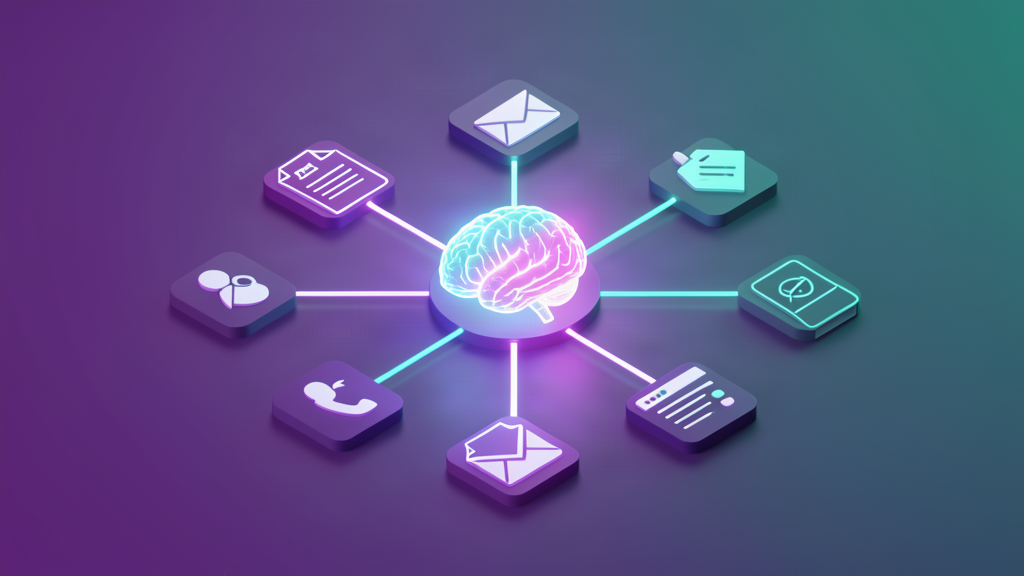
AI answers are only as good as what they can read. Pull docs, email, your site, and social into one brain and the answers stop being confidently wrong.

High-intent buyers message at 11pm and judge you by the reply speed. A WhatsApp bot that answers instantly — and hands off cleanly — turns dead hours into revenue.

Most bots just reply. A resolution agent answers the common stuff, takes the action, and escalates only what needs a human — with full context, not a blank handoff.

WhatsApp, Instagram, email, web — customers pick whatever's open. An omnichannel inbox stops messages falling between the cracks and stops agents duplicating work.

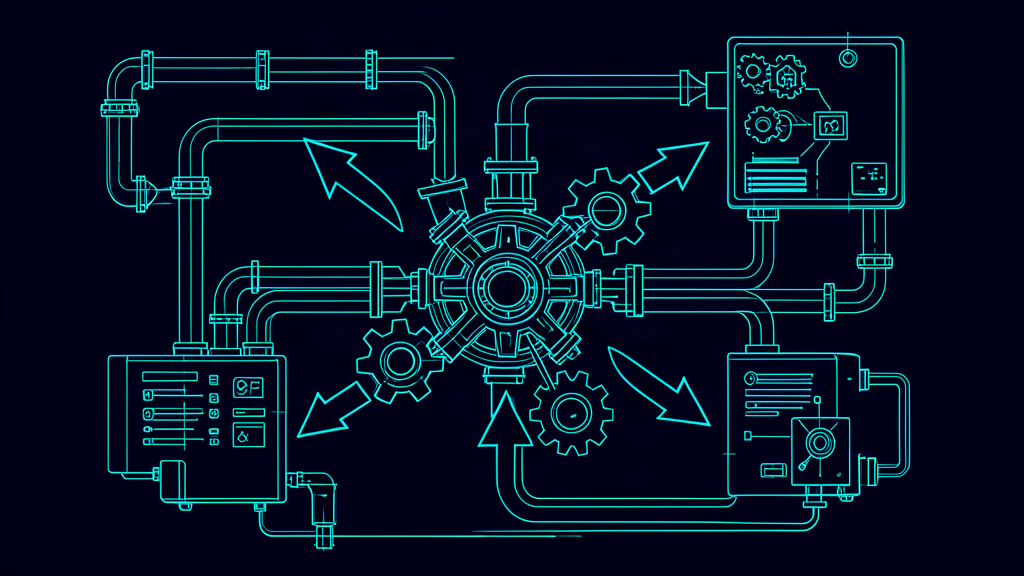
Document, marketing, forecasting, infra, support — bought separately, they don't talk. A single platform means one bill, one login, and automations that actually connect.

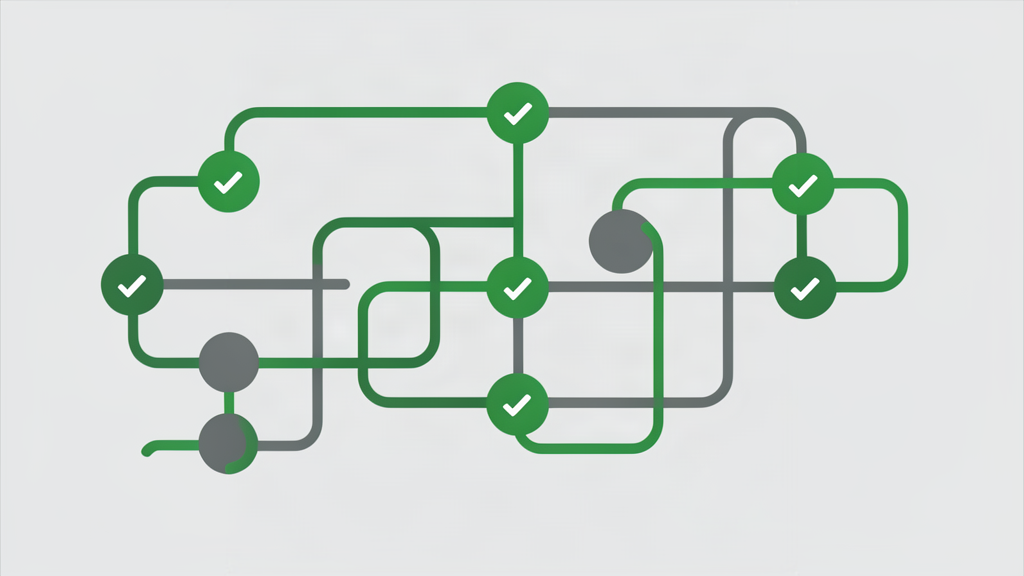
The one-off automation that 'just works' is the one that fails at 2am with nobody watching. Reliable data pipelines need visible job graphs, status, and metrics — not hope.

Public AI tools put your proprietary data at risk and rarely clear enterprise compliance. Private, you-control infrastructure is becoming the baseline — here's what it actually buys you.

Most AI projects die in integration, not in the model. Connecting models to the cloud stack and live data you already run is the unglamorous work that actually ships.

Everyone models the headline number and ignores the operational constraint. Forecast the bottleneck — support load, server cost, stock — and you'll survive the months the revenue chart looks fine.

A model that only looks at the past misses the real driver of demand: marketing, launches, holidays. Exogenous regressors fix naive forecasting by feeding in what actually moves the needle.

Point estimates feel clean in a slide deck and dangerous in a plan. Confidence intervals show the range — so you staff, stock, and budget for what could actually happen.

Open rate feels like proof, but it's one of the shallowest signals you have. Real campaign tracking compares channel, audience, and message so you know what actually converted.

Raw scraped data is messy, incomplete, and unusable until it's enriched. Deep lead enrichment turns a name-and-number into a context-rich profile your team can actually sell to.

Manual lead research doesn't just waste time — it quietly throttles your pipeline. An AI lead-generation pipeline does the boring part so your team sells instead of copy-pasting.

Rigid rules engines break the moment reality gets messy. Natural-language document criteria beat checkbox filters — and your team can actually use them.

Bulk document scoring isn't science fiction — it's a Tuesday now. A look at what happens when you point an AI at a pile of files and ask it to keep only what matters.

Most teams don't realize their AI assistants are copying sensitive files to a third party. A private, on-your-own-infrastructure setup fixes it without slowing anyone down.

Most support volume is repetitive — the same questions asked hundreds of different ways. Here is how an AI agent handles the 80% that repeats so your team focuses on conversations that need a human.

Most 'AI support' bots are just polished auto-responders. Here is the difference between a bot that answers and a bot that closes tickets — and why it matters for your CSAT.

A status update nobody opens is worse than no update. The best operations teams start the day knowing exactly what is waiting — here is how an AI agent delivers it without adding noise.